How to Source Personal Care Products from China: Regulations and Suppliers
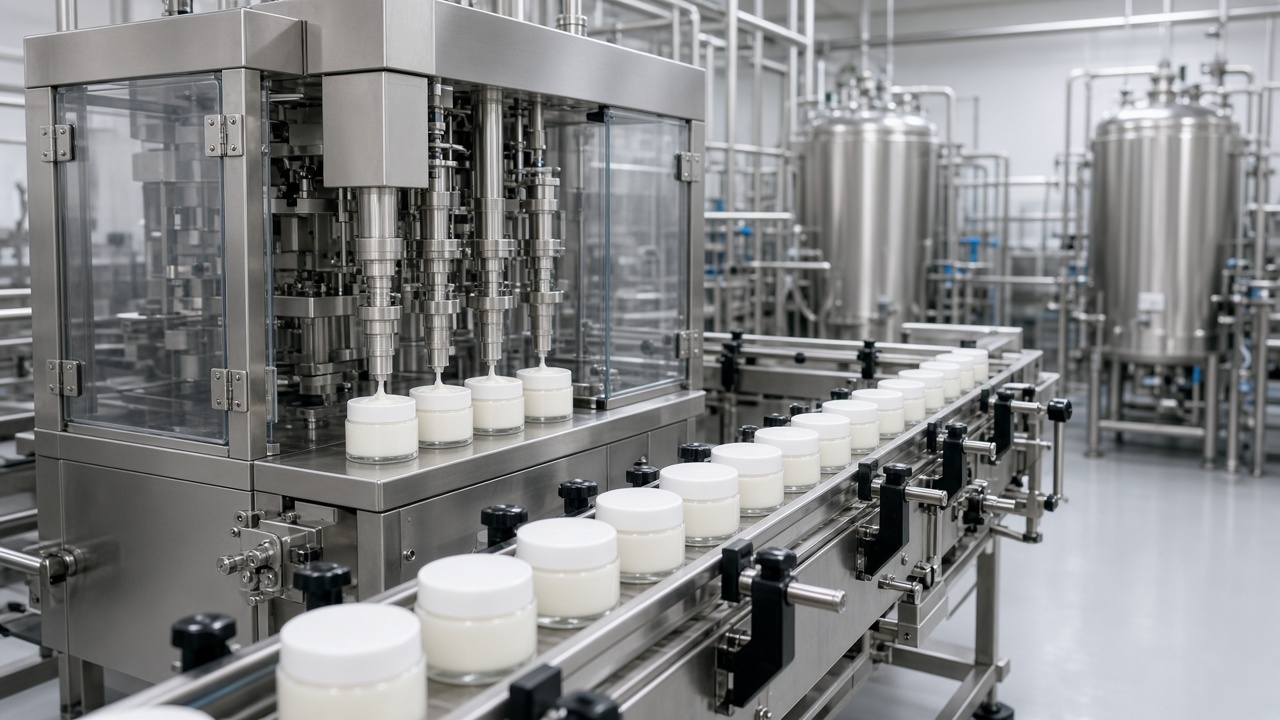
China is one of the world’s largest contract manufacturers of personal care products, covering skincare, haircare, body wash, cosmetics, oral care, and hygiene items. Many global brands — including budget private labels and mid-range retail lines — are manufactured in Chinese OEM and ODM facilities. For buyers looking to launch or expand a personal care line, China offers low MOQs, wide formulation libraries, and competitive unit costs. The main challenge is regulatory compliance: requirements differ significantly between the US, EU, Australia, and other destination markets.
What Is the Difference Between OEM and ODM for Personal Care Products?
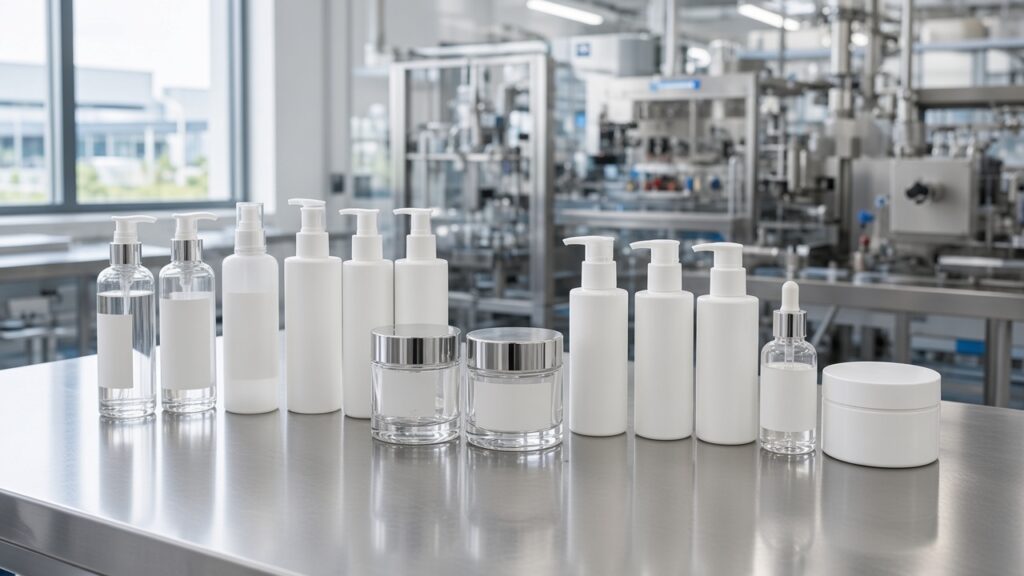
OEM (Original Equipment Manufacturer) means the factory produces your product to your specification or formula — you supply the formula, they produce and fill. ODM (Original Design Manufacturer) means you choose from the factory’s existing formulation library and apply your own branding. For buyers entering the category for the first time, ODM is a faster path: the formulas are already stability-tested, the production process is established, and MOQs are lower. OEM gives you proprietary formulations but requires more development time and cost.
What Regulatory Certifications Do You Need When Importing Personal Care Products?
Requirements depend on your destination market. For the United States, the FDA requires that all cosmetics are safe for use and correctly labeled; some categories — sunscreen, anti-dandruff shampoo — are classified as OTC drugs and require FDA registration. For the European Union, cosmetics must comply with Regulation (EC) No 1223/2009, which requires a Product Safety Report, an EU Responsible Person, and notification via the CPNP portal. For Australia, TGA oversight applies to some categories. Always confirm the regulatory category of your product before placing a production order.
What Testing Should You Request Before Importing Personal Care Products from China?
At a minimum, ask for a Certificate of Analysis (CoA) for each batch, confirming the finished product meets specifications. For skincare, stability testing (accelerated and real-time) confirms shelf life. Microbial testing verifies the product is free of contamination. For products carrying SPF claims, independent SPF testing by an accredited lab is required in most markets. Request all test reports from a third-party lab rather than relying solely on factory-issued documents.
Where Are China’s Main Personal Care Manufacturing Hubs?
Guangdong Province — particularly Guangzhou — is the largest personal care manufacturing cluster in China and hosts the annual China Beauty Expo, one of the industry’s largest trade events. Shanghai and surrounding Jiangsu Province also have significant capacity, particularly for prestige and cosmetics-adjacent categories. For OEM skincare at accessible MOQs, Guangzhou’s Baiyun and Panyu districts are well-suited starting points for factory research.
How MandarinDesk Can Help with Personal Care Sourcing from China
MandarinDesk supports buyers sourcing personal care and cosmetic products from Chinese manufacturers, including supplier shortlisting, factory communication in Mandarin, and coordination of documentation and testing. Contact us to discuss your product category and sourcing requirements.
Related reading
Need a hand?
Tell us what you need done in China. We reply within 24 hours with a fixed price and timeline.
Get a free quote →