Is Alibaba Safe? How to Avoid Scams When Buying From Chinese Suppliers
Alibaba is a legitimate marketplace used by millions of businesses worldwide. But like any large platform connecting buyers with sellers, it also attracts fraudulent listings, misrepresented products, and opportunistic scammers. Whether Alibaba is “safe” depends almost entirely on how carefully you vet the suppliers you work with and how you structure the transaction.
This guide explains the most common scams on Alibaba, the signals that distinguish legitimate suppliers from bad actors, and the practical steps buyers use to protect themselves.
Is Alibaba Itself a Scam?
No. Alibaba Group is a publicly listed company (NYSE: BABA) founded in 1999, and Alibaba.com is a legitimate B2B marketplace with hundreds of thousands of verified suppliers and millions of active buyers. The platform has real buyer protection mechanisms, supplier verification programmes, and dispute resolution processes.

The risks come not from the platform itself but from individual sellers who misrepresent their products, capabilities, or business — and from buyers who do not carry out adequate due diligence before transferring money.
What Are the Most Common Alibaba Scams?
1. Quality Bait-and-Switch
The supplier sends a high-quality sample, secures the order, and then ships production goods that are noticeably inferior — lower-grade materials, reduced functionality, or different specifications. This is the most common complaint from buyers on Alibaba and is not always deliberate fraud; sometimes it reflects the supplier cutting costs to hit a price they agreed to.
How to protect yourself: Arrange a pre-shipment inspection by a third party before the goods leave the factory. Specify in the purchase order the exact materials, dimensions, and performance requirements that the goods must meet — not just the sample as a reference.
2. Ghost Supplier (Fake Factory)
A seller presents itself as a manufacturer with its own factory, but it is actually a small trader with no production capacity. It may accept your deposit, place an order with a real factory, and either disappear with the money or be unable to deliver the goods to your specification.
How to protect yourself: Request a factory audit or use Alibaba’s Verified Supplier programme, which involves a third-party on-site inspection. Ask for real photos of the production facility, not stock images. A quick reverse image search on the factory photos often reveals whether they are genuine.
3. Payment Diversion
After establishing a relationship and exchanging messages on the platform, the “supplier” (sometimes a fraudster who has compromised a legitimate supplier’s account) asks you to wire payment to a different bank account than expected, claiming the usual account is unavailable. The money goes to the fraudster, not the factory.
How to protect yourself: Always verify bank account changes by calling a known phone number for the supplier — not a number provided in the same email as the new banking details. Use Alibaba’s Trade Assurance service, which keeps payment on the platform until shipment is confirmed.
4. Deposit Disappearance
A supplier requests a large deposit (sometimes 50% or more) upfront and then stops communicating. This is more common with new suppliers who have no trading history on the platform.
How to protect yourself: Standard payment terms for Chinese factories are 30% deposit and 70% balance before shipment. Never pay more than 30% upfront to a supplier you have not worked with before. Use Trade Assurance, which holds your payment until the goods are confirmed shipped.
5. Certificate Fraud
A supplier provides fake or expired certifications (CE marks, ISO certificates, FDA approvals) to win an order from a buyer who needs certified goods. The certificates look convincing but are either fabricated or no longer valid.
How to protect yourself: Verify certificates directly with the issuing body. Most certification authorities have an online database where certificate numbers can be checked. Never accept a certificate scan as proof of compliance without independent verification.
How to Check if an Alibaba Supplier Is Legitimate
Before placing any order, work through these checks:
- Verified Supplier badge: Alibaba has physically audited companies with this badge and confirmed they are real businesses. It is a meaningful signal, not just a paid listing tier.
- Years on Alibaba: Longer trading history reduces — but does not eliminate — risk. A supplier registered for less than one year warrants more scrutiny.
- Response rate: A response rate below 70% suggests the supplier is not actively managing their account. Avoid suppliers who take days to reply.
- Transaction volume: Suppliers who have completed many orders on Trade Assurance have a track record. The number of transactions and positive feedback scores are visible on the profile.
- Company registration details: Legitimate suppliers will have a registered Chinese company name and business licence. Ask for this and cross-reference it with the publicly available National Enterprise Credit Information Publicity System in China.
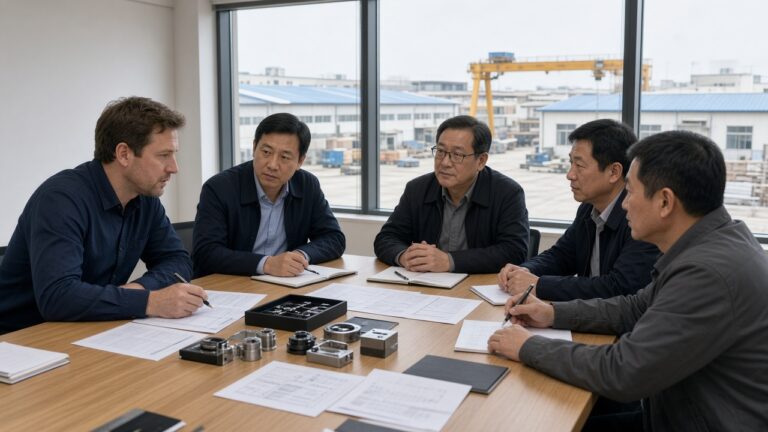
- Video call: Before placing a first order, request a video call. Ask to see the factory floor, the production line, and finished product samples. A real factory will accommodate this; a fraudster usually will not.

What Is Trade Assurance and Does It Actually Protect You?
Trade Assurance is Alibaba’s payment protection service. When you pay through Trade Assurance, your money is held by Alibaba until you confirm receipt of the goods — or for a set period after the expected delivery date. If the supplier fails to ship or the goods are significantly different from what was described, you can open a dispute and claim a refund.
Trade Assurance provides meaningful protection for straightforward cases: goods that did not arrive, or goods that are clearly wrong. It is less effective in disputes about quality differences that are a matter of degree, or where the product specification was not clearly documented at the time of order.
Use Trade Assurance for every first order with a new supplier. As you build a track record with a specific factory, you can consider alternative payment arrangements — but starting with Trade Assurance costs nothing extra and provides a meaningful safety net.
How Do You Check What a Supplier’s Chinese Customers Say About Them?
Alibaba reviews are written by international buyers and are visible on the platform. However, the same supplier may also trade on 1688.com (Alibaba’s domestic Chinese platform), where their Chinese customers have left reviews — in Chinese. These reviews are often more candid and more detailed than the English reviews on Alibaba, because the reviewer community is different.
MandarinDesk’s Supplier Review Summary service translates a supplier’s Chinese reviews from 1688 into an English summary, highlighting recurring complaints, delivery issues, quality inconsistencies, and anything unusual. It costs $29 and can be completed before you commit to an order.
Red Flags to Watch for on Any Alibaba Supplier
- Registered less than 12 months ago with no trading history
- Prices significantly below every other supplier for the same product — unusually low prices usually mean something (quality, materials, or the supplier) is not what it appears
- Reluctance to provide a sample before a production order
- Requests for 100% payment upfront
- Bank account details that do not match the company name on the Alibaba profile
- Communication that moves quickly off Alibaba to WhatsApp or personal email (which removes any platform record of the conversation)
- Factory photos that reverse-image search shows as copied from other websites
- Certificates that cannot be verified with the issuing body
None of these alone is conclusive, but several together are a strong signal to walk away and find a different supplier.
Is Alibaba the same as AliExpress?
No. Alibaba.com is a B2B wholesale platform for bulk orders from businesses. AliExpress is a retail marketplace for small-quantity consumer purchases. Both are owned by the Alibaba Group but serve different types of buyers.
Related reading
Need a hand?
Tell us what you need done in China. We reply within 24 hours with a fixed price and timeline.
Get a free quote →