
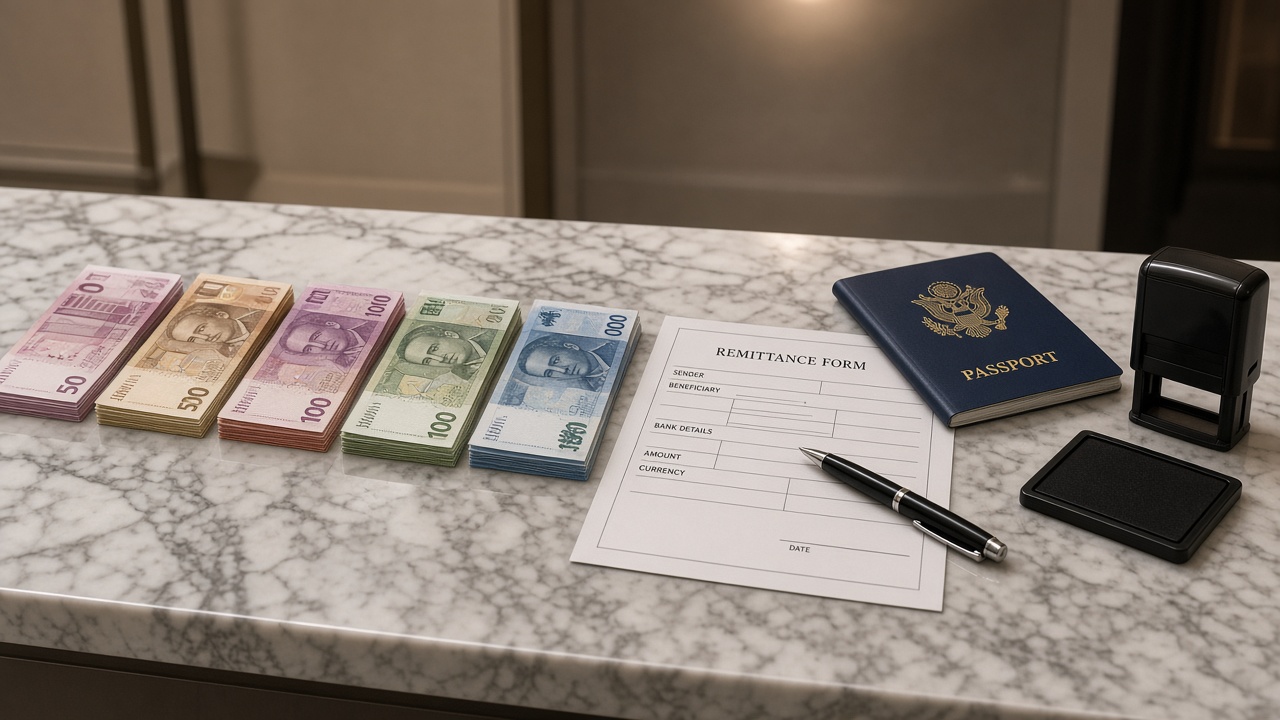
What Is T/T Payment? A Guide to Wire Transfers When Importing From China
T/T stands for telegraphic transfer, which is another name for an international bank wire transfer. It is the most common payment method used in trade with Chinese suppliers, and understanding how it works — including the risks — is essential for any buyer importing from China.
What Does T/T Mean in International Trade?
T/T (telegraphic transfer) is simply an instruction to your bank to transfer funds electronically to a recipient’s bank account in another country. In the context of importing from China, it means you wire money directly to your supplier’s Chinese bank account — usually a bank such as Bank of China, ICBC, China Construction Bank, or Agricultural Bank of China.
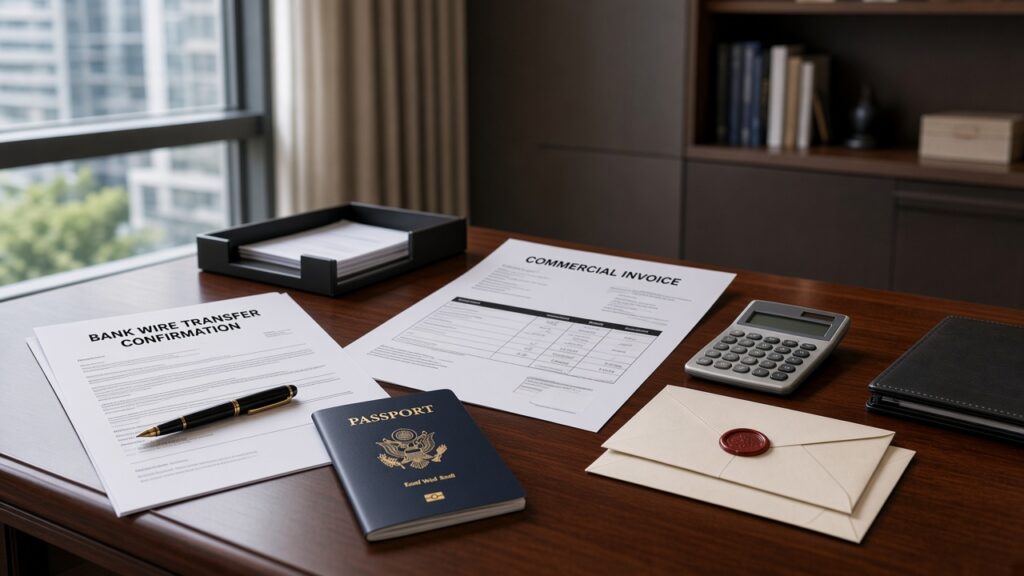
The term “telegraphic” is historical — transfers were once sent by telegraph. Today the same transfer happens through the SWIFT network, but the abbreviation T/T has stuck in Chinese trade.
Why Do Chinese Suppliers Prefer T/T Payment?
Chinese suppliers prefer T/T because it is fast, reliable, and does not involve third-party platforms that charge fees or impose transaction limits. Unlike PayPal or credit card payments, there is no risk of a chargeback once the funds arrive. The money arrives in the supplier’s account in one to three business days and is freely accessible.
From the buyer’s perspective, T/T offers very little protection once the money has been sent. This is why the structure of the payment — specifically what percentage is paid when — matters a great deal.
What Are Standard T/T Payment Terms for Chinese Factories?
The most common T/T arrangement in China trade is:
- 30% deposit paid when the purchase order is confirmed, to cover the factory’s material costs and begin production
- 70% balance paid when the goods are ready to ship — typically after you have received and reviewed photos of the finished goods, or after a pre-shipment inspection confirms the order is acceptable
Some factories ask for a 50/50 split, particularly for smaller orders or with new buyers. Some ask for 100% upfront — treat this as a red flag for a supplier you have not worked with before.
The balance payment is typically made before the goods are released from the factory and loaded for shipping, not after they arrive. This means the buyer has very limited recourse if problems are discovered after the goods are in transit.
What Information Do You Need to Make a T/T Payment to China?
Your bank will typically require the following information to send a wire transfer to China:
- Beneficiary name: The registered company name of the Chinese supplier, exactly as it appears on their business registration — often in Chinese characters with a romanised (pinyin) transliteration
- Beneficiary bank name: The name of the Chinese bank (e.g. Bank of China, ICBC)
- Bank branch address: The address of the specific branch where the account is held
- Account number: The Chinese bank account number (typically 16–19 digits)
- SWIFT/BIC code: The international bank identifier code for the receiving bank
- CNAPS code: Some banks require the China National Advanced Payment System code for domestic routing within China
- Currency: Most Chinese suppliers invoice in US dollars (USD). Paying in USD avoids currency conversion on the buyer’s end, though the supplier’s bank will convert to RMB on receipt

How Long Does a T/T Transfer to China Take?
A standard SWIFT wire transfer from a Western bank to a Chinese bank typically takes one to three business days to arrive. Transfers sent on weekdays before the bank’s cut-off time (usually mid-afternoon in the sender’s time zone) are processed the same day; those sent later go the next business day.
Occasionally a transfer is held for additional compliance checks, particularly for large amounts or for new beneficiary accounts. If a supplier says they have not received payment after three business days, ask your bank for the SWIFT payment confirmation (the MT103 message) to verify that the transfer was sent and to provide the supplier’s bank with a trace reference.
What Are the Risks of T/T Payment and How Do You Reduce Them?
The main risks with T/T payment are:
- Payment to the wrong account: Business email compromise (BEC) fraud involves an attacker intercepting your email communication with a supplier and sending you fake bank details. The money goes to the fraudster, not the factory. Always verify new or changed bank details by calling the supplier on a number you already have — never use a phone number provided in the same email as the new banking details.
- Advance payment loss: If a supplier takes a deposit and fails to deliver, recovering the money through legal channels in China is difficult and expensive. Limit your exposure by keeping the deposit to 30% and using Alibaba Trade Assurance where possible.
- No recourse after balance payment: Once the full balance is paid and goods are loaded, the buyer has very limited ability to dispute quality. The balance should be paid only after reviewing photos of the finished goods — or ideally after a pre-shipment inspection.
Is T/T the Only Way to Pay Chinese Suppliers?
No. Other payment options include:
- Alibaba Trade Assurance: Payment held on the Alibaba platform with dispute protection. Available only for orders placed through Alibaba.
- Letter of Credit (L/C): A bank-issued instrument that guarantees payment to the supplier once specific documentary conditions are met (such as a bill of lading and a certificate of origin). Provides stronger protection than T/T but involves higher bank fees and more administrative complexity. Used mainly for large orders.
- PayPal: Some smaller suppliers accept PayPal, which offers buyer protection and chargeback rights. PayPal charges higher fees than T/T, and many Chinese factories will not accept it because of the risk of chargebacks.
- Western Union or MoneyGram: Avoid these for trade payments. They offer almost no buyer protection and are commonly used in scams.
What Should Be on a Pro Forma Invoice Before You Pay?
Before sending any T/T payment, ask your supplier for a pro forma invoice. This should include:
- Supplier’s registered company name and address
- Buyer’s name and address
- Itemised product description, quantity, unit price, and total
- Payment terms (deposit percentage, balance trigger)
- Estimated production lead time and shipment date
- Bank details for the transfer
- Incoterms (the trade term that defines who is responsible for freight and customs at each stage)
If the pro forma invoice contains terms or clauses you are unsure about, or if anything looks unusual, MandarinDesk’s Quick Quote Scan service reviews short supplier documents and flags anything that warrants attention — including unusual payment terms, non-standard lead time clauses, or hidden charges.
Related reading
Need a hand?
Tell us what you need done in China. We reply within 24 hours with a fixed price and timeline.
Get a free quote →