
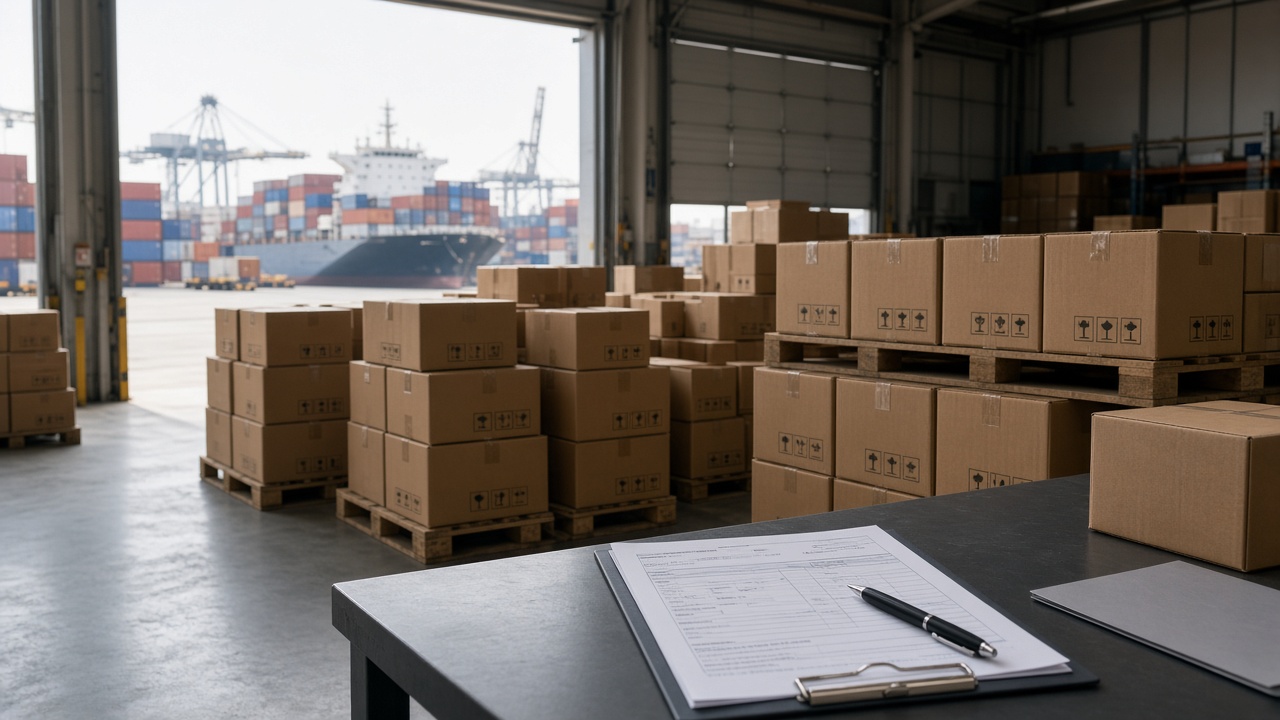
How to Find a Freight Forwarder for Shipping From China
A freight forwarder arranges the international transport of goods on behalf of importers and exporters — booking space with carriers, handling shipping documentation, coordinating customs clearance, and managing the logistics chain between the factory and the buyer’s destination. For buyers importing from China, a good freight forwarder is one of the most important partners in the supply chain.
What Does a Freight Forwarder Do?
A freight forwarder’s core services typically include:
- Freight booking: Securing space with ocean carriers (for sea freight) or airlines (for air freight) at competitive rates
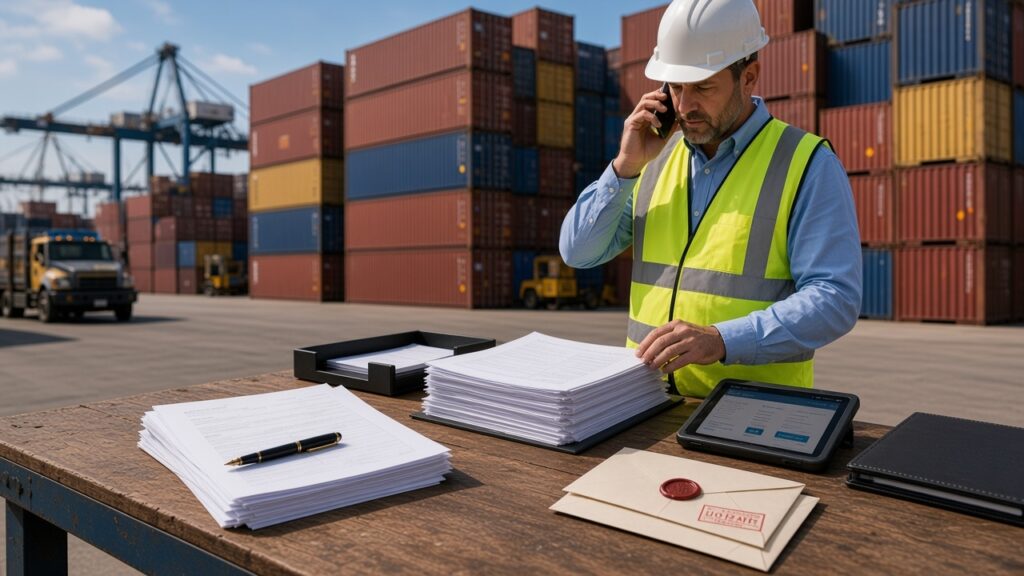
- Export documentation: Preparing and filing export customs declarations in China — including the packing list, commercial invoice, and certificate of origin
- Import customs clearance: Filing the import declaration in your destination country, paying duties and taxes on your behalf, and managing any holds or inspections
- Cargo tracking: Providing shipment updates as goods move from origin to destination
- Insurance: Arranging cargo insurance to cover loss or damage during transit
- Warehousing: Some forwarders offer short-term storage at origin or destination
Do You Need a Freight Forwarder or a Customs Broker?
A freight forwarder handles the physical movement of goods. A customs broker handles the import declaration and duty calculation in the destination country. Many companies do both, particularly for international shipments, so the two roles often overlap.
For most buyers importing from China for the first time, working with a single freight forwarder who handles both the freight and the destination customs clearance (a full-service forwarder) is simpler than managing two separate relationships. As your import volumes grow and you have more knowledge of the process, some buyers split these functions to get more competitive rates.
What Should You Look for in a China Freight Forwarder?
- Physical presence or established partner in China: A forwarder who has their own office in China (or a long-term agent relationship with a Chinese forwarder) can coordinate pickup from the factory, resolve documentation issues locally, and act in your time zone when things go wrong.
- Destination country customs authority registration: They must be licensed to clear goods through customs in your destination country. In the US, this means they or their customs broker partner holds a Customs Broker License from CBP. In the UK, they should be HMRC-authorised.
- Experience with your product category: Certain goods — food, cosmetics, medical devices, chemicals, electronics with radio functions — have specific regulatory requirements. A forwarder experienced in your category will navigate these without delays.
- Transparent pricing: Freight quotes should itemise the main charges: ocean or air freight, origin charges (pickup, export declaration, container handling), destination charges (port handling, customs clearance, delivery), and insurance. Watch for quotes that look cheap on the headline rate but carry large undisclosed destination charges.
- Cargo insurance included or offered: Goods can be lost or damaged in transit. A forwarder who either includes or makes it easy to add cargo insurance is managing the risk responsibly.
How Do You Get a Freight Quote From China?
To get a quote, you will need to provide:
- Origin: the city or port in China where the goods will be collected (usually the factory location or the nearest major port)
- Destination: your address or the destination port/airport
- Cargo details: total weight (kg), total volume (CBM — cubic metres), and number of cartons
- Product description: what the goods are, including the HS code if you know it
- Preferred mode: sea freight (FCL or LCL) or air freight
- Incoterms: who is responsible for freight at each stage (EXW, FOB, DDP, etc.)
- Required delivery date: if you have one
Getting quotes from two or three forwarders for the same shipment is standard practice. Compare not just the total price but what is included — a quote that appears cheaper may exclude destination charges that another forwarder has included.
What Are the Main Sea Freight Options From China?
- FCL (Full Container Load): You book a full 20-foot or 40-foot container exclusively for your goods. Best for shipments large enough to fill most of the container (roughly 15+ CBM for a 20ft, 25+ CBM for a 40ft).
- LCL (Less than Container Load): Your goods share space in a container with other buyers’ shipments, and you pay only for the volume you use. Best for smaller shipments — typically under 10–15 CBM.
- Transit times: Sea freight from major Chinese ports (Shanghai, Ningbo, Shenzhen) to the US West Coast takes 14–18 days; to the US East Coast 25–30 days; to the UK and Northern Europe 25–35 days.
When Does Air Freight Make Sense?
Air freight from China to the US or Europe takes 3–7 days but costs 5–8 times more per kilogram than sea freight. It makes sense when:
- The shipment is small and light (under 100–200 kg) and sea freight would have high minimum charges
- The goods are time-sensitive and the cost of delay (missed season, stockout, penalty clause) outweighs the freight premium
- The goods have high value-to-weight ratio and the freight cost is a small proportion of the goods value
Related reading
Need a hand?
Tell us what you need done in China. We reply within 24 hours with a fixed price and timeline.
Get a free quote →