
Factory Audit vs Supplier Audit: What’s the Difference and When Do You Need One?
Buyers sourcing from China use audits to verify that a supplier is capable, legitimate, and operating in a way that matches what they presented on their profile. The terms “factory audit” and “supplier audit” are sometimes used interchangeably, but they can describe different scopes of assessment. This guide explains what each involves and when to use them.
What Is a Factory Audit?
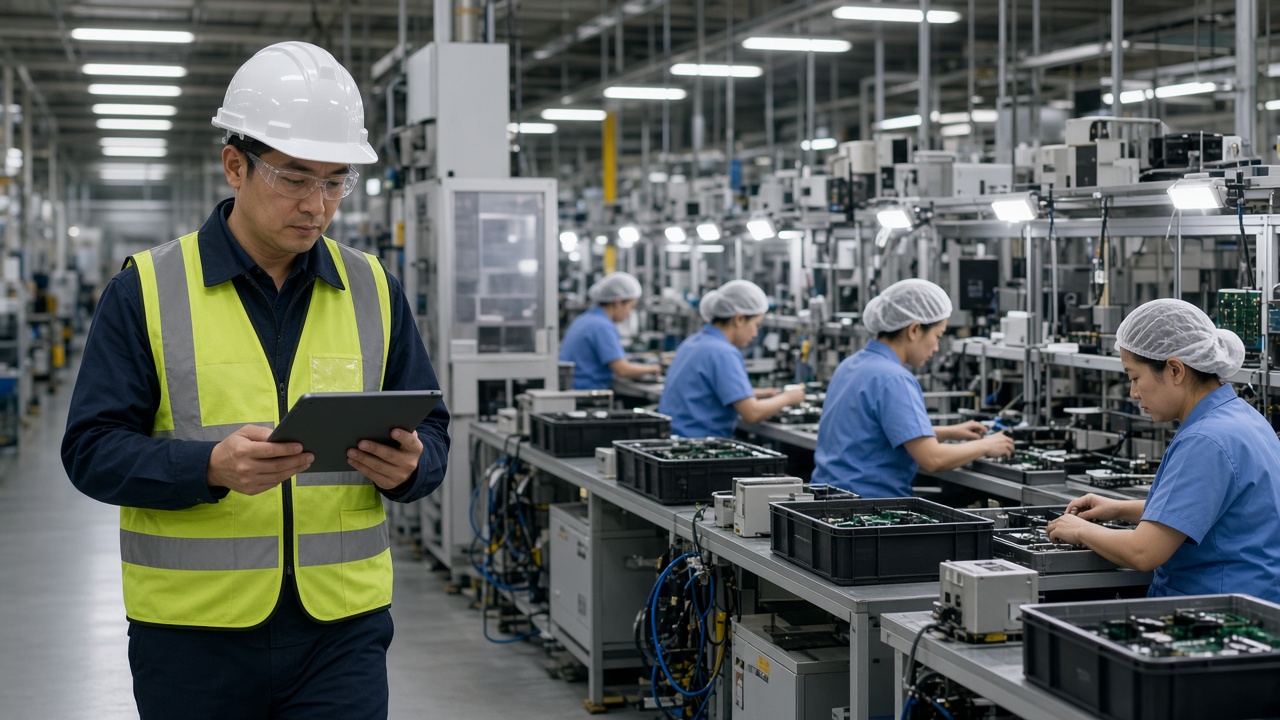
A factory audit is an on-site assessment of a manufacturing facility. The auditor visits the factory in person, inspects the physical premises, and evaluates the factory’s production capability against a defined checklist. A standard factory capability audit covers:
- Facility verification: Confirming that the factory is a real, operational manufacturing site — not a trading company using borrowed photos or a broker claiming to be a manufacturer
- Production capacity: Verifying machinery, equipment, and workforce to confirm the factory can produce the volume you need within the timeframe agreed
- Quality management: Checking whether the factory has documented quality control procedures, trained staff, and measurement equipment appropriate for the product
- Business registration: Confirming the factory’s legal entity, registered address, and business licence match the details on the Alibaba or 1688 profile
- Health, safety, and working conditions: Reviewing basic workplace safety standards, particularly relevant for buyers with ethical sourcing requirements or those supplying to retailers with supplier codes of conduct
What Is a Supplier Audit?
A supplier audit has a broader scope than a factory capability check. It may encompass the factory assessment above, but it typically also evaluates:
- Financial stability: Reviewing financial records to assess whether the supplier is financially sound and unlikely to default on an order
- Social compliance: Assessing working hours, wages, employment contracts, and child labour policies against a standard (such as SA8000, BSCI, or the buyer’s own code of conduct)
- Environmental compliance: Reviewing waste disposal, chemical handling, and environmental permits
- Documentation and traceability: Checking whether the supplier maintains records that allow the buyer to trace materials and production history — important for regulated product categories
Social compliance audits (sometimes called ethical audits) are a standard requirement for suppliers to major Western retailers, supermarkets, and brands. A factory without a current social compliance audit may be unable to supply these buyers regardless of product quality.
When Should You Do a Factory Audit?
A factory capability audit is worth doing before placing a first order with a new supplier, particularly when:
- The order value is significant and you cannot afford to lose the deposit if the factory fails to deliver
- The product requires specific machinery or technical capability that you cannot verify remotely
- The supplier has minimal history on trading platforms and you have few other signals about their legitimacy
- You have asked about production capacity and the answers have been vague or inconsistent
How Much Does a Factory Audit Cost?
Third-party audit companies (SGS, Bureau Veritas, Intertek, and others) typically charge $250–$500 per man-day for a factory audit in China. Most capability audits are completed in one day; social compliance audits may take one to two days depending on factory size.
Alibaba’s own Verified Supplier programme uses third-party auditors and results in a badge on the supplier’s profile. Suppliers pay for this audit, so the incentive to pass is on the supplier’s side — but the audit is conducted by an independent company and covers basic capability verification. It is a reasonable starting signal for buyers who cannot commission a bespoke audit.
What Can You Check Without Commissioning a Full Audit?
Not every buyer needs to commission a full factory audit before every new supplier relationship. For smaller orders or when the downside risk is limited, there are lighter-touch alternatives:
- Video call factory tour: Request a live video call and ask the supplier to walk you through the production area. A real factory will accommodate this; a broker pretending to be a factory usually cannot.
- Chinese buyer reviews: The supplier’s reviews on 1688 from Chinese domestic buyers are often more candid than their English-language Alibaba reviews and can reveal quality inconsistencies, delivery failures, or discrepancies between what was promised and what was delivered.
- Business registration cross-check: The Chinese National Enterprise Credit Information Publicity System (accessible at gsxt.gov.cn) allows anyone to verify a Chinese company’s registration status, registered capital, and legal representative.
MandarinDesk’s Supplier Review Summary service translates a supplier’s Chinese reviews from 1688 into an English summary — including recurring complaints, delivery problems, and any red flags raised by Chinese buyers. It costs $29 and is typically completed within one business day, giving you a useful signal before committing to an order without the cost of a full on-site audit.
What Does an Audit Report Include?
A standard factory audit report from a third-party inspection company typically includes:
- Factory contact details and registration information as verified on-site
- Photos of the facility, production lines, machinery, and storage areas
- Assessment scores by category (facility, quality systems, HR, safety, etc.)
- A summary of findings: items that meet requirements, items that are acceptable with conditions, and non-conformances that need corrective action
- An overall audit verdict (pass, conditional pass, or fail)
- Auditor’s name, qualifications, and audit date
When reviewing an audit report from a supplier, check the audit date — a report more than 12–18 months old may no longer reflect the factory’s current status, particularly if ownership or management has changed.
Related reading
Need a hand?
Tell us what you need done in China. We reply within 24 hours with a fixed price and timeline.
Get a free quote →