
What Is a Pre-Shipment Inspection? A Guide for Buyers Importing From China
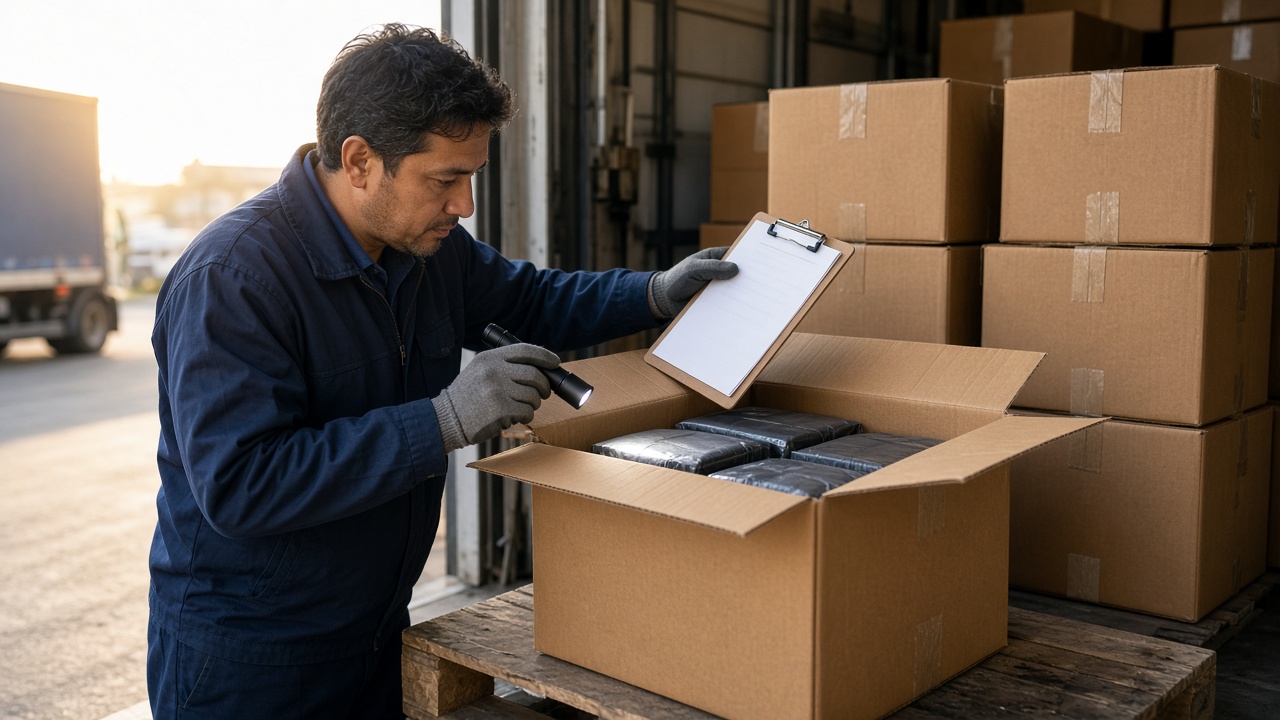
A pre-shipment inspection is a quality check carried out at the factory before goods are packed and loaded for shipping. An inspector visits the production site, checks a sample of the finished goods against the buyer’s specifications, and issues a report. The buyer reviews the report and decides whether to approve shipment or ask the factory to fix problems before the goods leave China.
It is one of the most practical tools available to international buyers because it catches quality problems before the goods are on a container ship — when correcting them is still possible and relatively inexpensive.
What Does a Pre-Shipment Inspection Check?
A standard pre-shipment inspection covers:
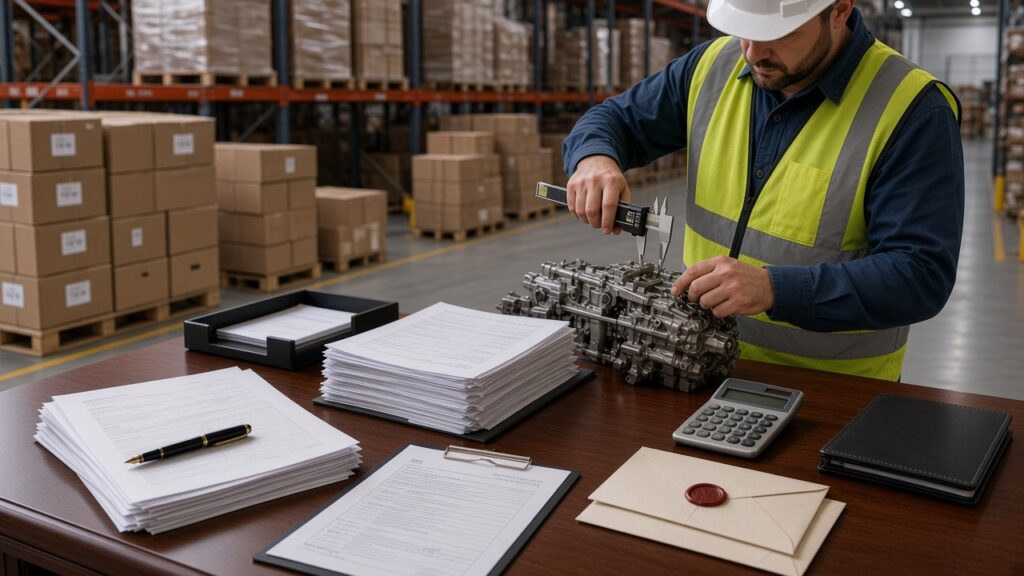
- Quantity verification: Confirming that the number of units produced matches the purchase order.
- Visual inspection: Checking for surface defects, cosmetic issues, colour consistency, and workmanship.
- Measurement and specification check: Verifying dimensions, weight, and materials against the agreed specification.
- Functionality test: Testing that the product works as intended (for electronics, mechanical products, or items with moving parts).
- Packaging and labelling check: Confirming that packaging meets the buyer’s requirements and that barcodes, labels, and country of origin markings are correct.
- Carton drop test: Checking that outer cartons are strong enough to withstand handling during shipping.
The inspector typically samples a statistically representative number of units using an AQL (Acceptable Quality Level) sampling plan rather than checking every individual unit.
When Should a Pre-Shipment Inspection Take Place?
A pre-shipment inspection takes place when at least 80 percent of the production run is complete and the goods are ready for packing. This timing is important: the factory should have finished most of the production but not yet packed everything into cartons, so the inspector can easily access a representative sample and any defective units can still be reworked or replaced before shipment.
If the inspection is booked too early (when production is only 30 or 40 percent complete), the results will not reflect the final batch. If it is booked after goods are already loaded onto a container, the practical value is very limited.
What Is a Pre-Production or Pre-Approval Inspection?
A pre-approval inspection (sometimes called a pre-production inspection or initial production check) takes place before or at the very start of production. Instead of checking finished goods, it verifies that the factory has the right raw materials, components, and equipment in place before production begins.
This type of inspection is useful when:
- You are working with a factory for the first time and want to verify their capabilities before committing to a large order.
- You have specific material requirements (a particular grade of fabric, a specific type of plastic, a named component) and want to confirm the factory has sourced the right inputs.
- The product has a long lead time and you want to catch problems early rather than discovering them at the pre-shipment stage.
What Is AQL and How Does It Apply to Inspections?
AQL stands for Acceptable Quality Level. It is an international standard (ISO 2859-1) that defines how many units an inspector should check from a given batch, and how many defects are acceptable before the batch is considered to have failed the inspection.
Under an AQL sampling plan, defects are classified into three categories:
- Critical defects: Defects that make the product unsafe or completely unusable. The acceptable number is zero.
- Major defects: Defects that affect the product’s function or appearance in a way that most buyers would reject. A common AQL level for major defects is 2.5, meaning roughly 2.5 defects per hundred units inspected can be accepted.
- Minor defects: Cosmetic issues that do not affect function and that most buyers would accept. A common AQL level for minor defects is 4.0.
The AQL level and the classification of defects should be agreed with the factory before production begins, not just before the inspection.
How Much Does a Pre-Shipment Inspection Cost?
Third-party inspection companies typically charge $200–$350 per man-day for a pre-shipment inspection in China. Most standard inspections are completed in one day. Additional charges may apply for inspections in remote locations, for inspections that require overnight travel, or for specialist technical testing.
Relative to the value of an order, inspection fees are small. For an order worth $5,000, a $250 inspection represents five percent of the order value and can prevent a situation where the entire batch needs to be reworked or reshipped.
Can You Do a Remote Inspection Using Photos?
A full third-party inspection requires a physical visit. However, for smaller orders or for buyers who want a lightweight quality check without the cost of a full inspection, it is possible to have the factory send photos and videos of a sample from the production run before shipment.
The limitation of a photo-based review is that it relies on the factory photographing what you need to see, and it cannot replicate the tactile checks an inspector performs in person. That said, a structured photo review against a checklist catches many common problems and is significantly better than approving shipment sight unseen.
MandarinDesk’s Sample Photo Review service gives buyers a structured English checklist based on the photos the factory sent — covering what to approve, what to query, and what to ask the factory to fix before production proceeds. It costs $25 per batch.
What Happens If the Inspection Fails?
If an inspection reveals that the defect rate exceeds the agreed AQL level, the buyer has several options:
- Ask the factory to rework the defective units and book a re-inspection.
- Negotiate a discount that reflects the cost of sorting or reworking the goods after they arrive.
- Reject the shipment and cancel the order if the defects are severe and the factory cannot or will not rectify them.
- Accept the shipment if the defects are minor and the cost of delay outweighs the impact of accepting imperfect goods.
The key point is that all of these options are available before shipment. Once goods are on a container and cleared customs, the practical options for recovering costs are much more limited.
How to Set Up a Pre-Shipment Inspection
To book a pre-shipment inspection, you need:
- The factory’s address and a contact name for the inspector to arrange access.
- Your product specification — dimensions, materials, colours, functions, and packaging requirements — so the inspector knows what to check against.
- Your AQL requirements — which defect classifications apply and what acceptance levels you expect.
- The expected production completion date so the inspection can be timed correctly.
If you are unsure where to start or would like a simple pre-shipment check that does not require booking a full third-party inspection, the Sample Photo Review from MandarinDesk is a practical first step for buyers working with a factory for the first time.
Related reading
Need a hand?
Tell us what you need done in China. We reply within 24 hours with a fixed price and timeline.
Get a free quote →