What Does “Made in PRC” Mean?
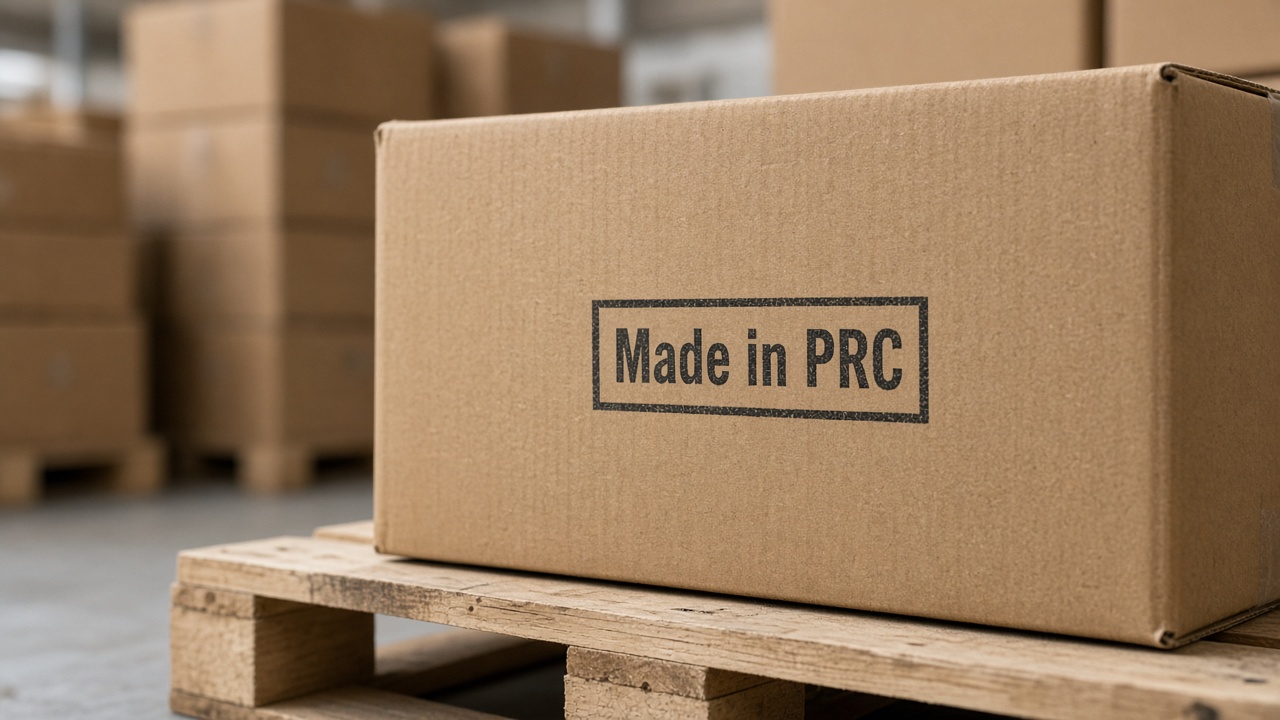
“Made in PRC” means made in China. PRC stands for the People’s Republic of China — the official name of mainland China. The label appears on products manufactured in China and exported for sale in other countries. If you see it on packaging, a product label, or an import declaration, it means exactly the same thing as “Made in China.”
Why Do Some Products Say “Made in PRC” Instead of “Made in China”?
There is no functional difference — both are legally acceptable country-of-origin declarations for Chinese-manufactured goods. Historically, some manufacturers and exporters used “Made in PRC” believing that buyers might be less likely to notice or react negatively to goods labelled as Chinese-made. This was more common in the 1980s and 1990s, when “Made in China” carried stronger negative associations for some western consumers.
Today, customs authorities and trade regulations in most countries treat “Made in PRC” and “Made in China” as identical declarations. Neither is more or less compliant than the other.
Is “Made in PRC” Legal?
Yes. “Made in PRC” is a legally accepted country-of-origin marking in most major import markets, including the United States, the European Union, and the United Kingdom. What matters for customs and trade compliance is that the marking accurately reflects where the goods were manufactured — not which of the two phrases is used. Both are accepted as equivalent declarations for Chinese origin.
If you are importing goods labelled “Made in PRC” and are unsure whether they qualify for a specific tariff treatment or trade agreement, the question is not about the label wording — it is about whether the goods genuinely meet the rules of origin for that treatment.
What Is the Difference Between PRC and Taiwan?
Taiwan officially calls itself the Republic of China (ROC), not the People’s Republic of China (PRC). Products manufactured in Taiwan are labelled “Made in Taiwan” — never “Made in PRC.” If you see “Made in PRC” on a product, it was made in mainland China, not Taiwan. The two are separate manufacturing jurisdictions with different tariff treatments under most trade agreements.
Does “Made in PRC” Affect Import Duties?
The country-of-origin marking determines which tariff rates apply when goods are imported. For US importers, goods marked “Made in PRC” (i.e. made in China) are subject to the standard US–China tariff schedule, including any Section 301 tariffs that apply to the specific product category. For EU and UK importers, standard MFN (Most Favoured Nation) rates apply to Chinese-origin goods unless a specific trade measure or safeguard duty also applies.
If you are trying to understand what duties will apply to goods you are importing from China, the label wording is less important than the product’s HTS or HS code. See our guide on how to calculate import duty on goods from China for a full breakdown.
Can a Supplier Change “Made in PRC” to Another Country on the Label?
No. Falsely declaring the country of origin on imported goods is a serious customs offence — it constitutes origin fraud. A product manufactured in China must be labelled as such (whether “Made in China” or “Made in PRC”). Requesting that a supplier change the country-of-origin marking to Vietnam, Malaysia, or any other country when the goods were actually made in China exposes both the exporter and the importer to legal liability, fines, and seizure of goods. Genuine country-of-origin changes (through substantial transformation of goods in a third country) must meet specific rules of origin criteria set by the destination country’s customs authority.
What Should Importers Know About Country-of-Origin Marking?
- The marking must appear on the product itself or its immediate packaging in a conspicuous location.
- In the US, the marking must be in English and legible. “Made in PRC” and “Made in China” are both acceptable.
- In the EU, country-of-origin marking is not mandatory for all product categories, but when present it must be accurate.
- Textile and apparel products have additional labelling requirements in most markets that go beyond the country-of-origin mark.
If you are sourcing products from China and need help reviewing supplier labelling, certificates of origin, or customs documentation, MandarinDesk’s document translation and supplier coordination services can assist. See also our guide on certificates of conformity for China imports.
Related reading
Need a hand?
Tell us what you need done in China. We reply within 24 hours with a fixed price and timeline.
Get a free quote →