OEM vs ODM: What’s the Difference and Which Is Right for Your Product?
OEM and ODM are two manufacturing arrangements that work differently, cost differently, and suit different types of buyers. Choosing the wrong one for your situation can lead to unexpected tooling costs, intellectual property complications, or a product that cannot be differentiated from your competitors’. This guide explains what each term actually means and how to decide which approach fits your product.
What Does OEM Mean?
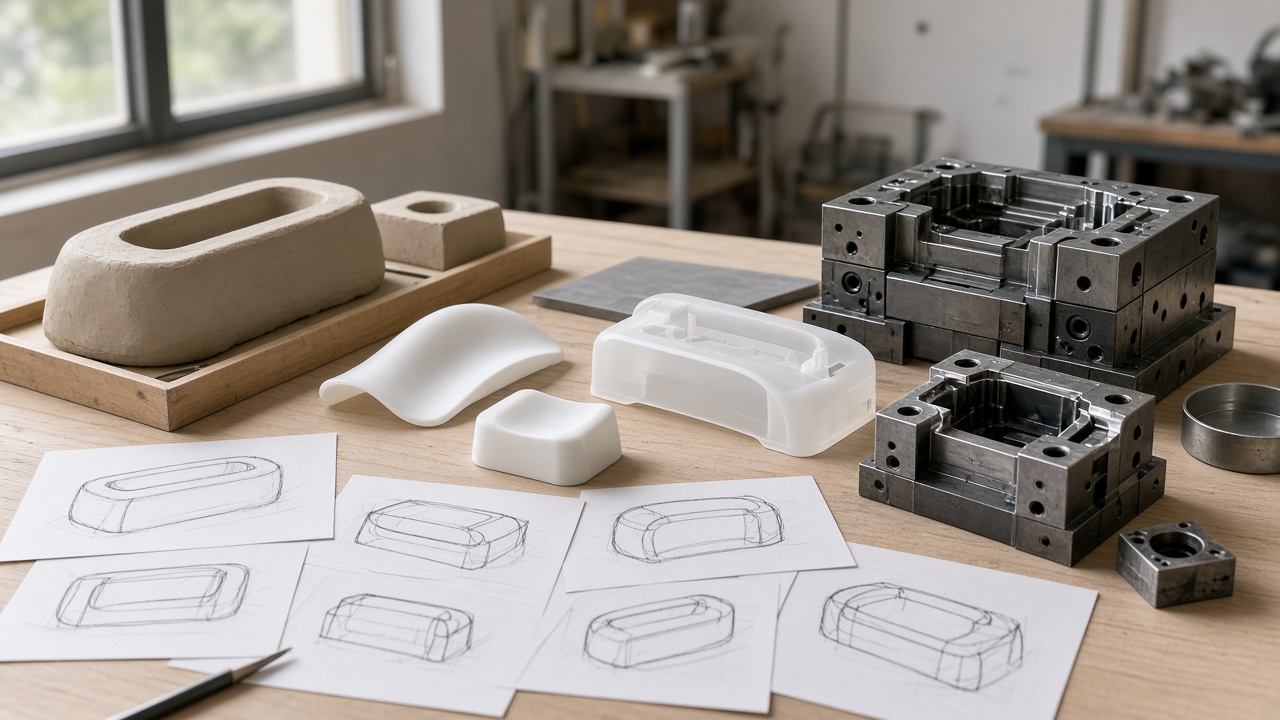
OEM stands for Original Equipment Manufacturer. In the context of sourcing from China, it typically means that the buyer provides the product design and specifications, and the factory manufactures the product to that specification. The buyer owns the design; the factory provides the production capability.

In practice, most buyers using OEM manufacturing do not design a product entirely from scratch. Instead, they modify an existing product design — changing materials, dimensions, components, or features — and the factory produces the modified version exclusively for them. The key characteristic is that the design originates with the buyer.
What Does ODM Mean?
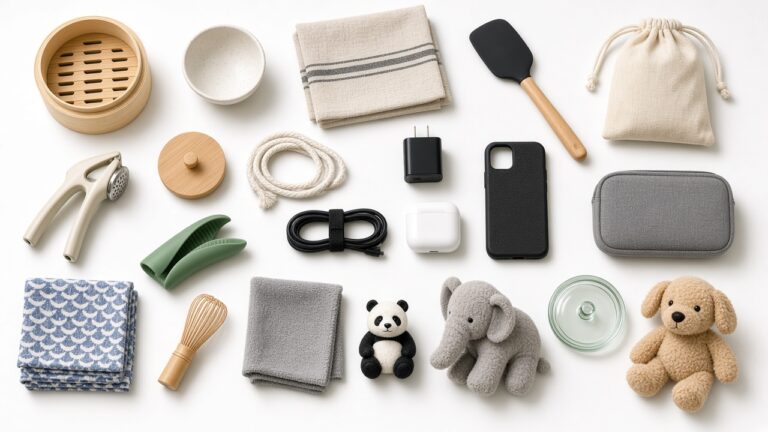
ODM stands for Original Design Manufacturer. In an ODM arrangement, the factory has already designed a product and owns that design. The buyer selects a product from the factory’s existing range, applies their own brand name and packaging, and sells it as their own. The factory owns the design; the buyer provides the brand.
ODM is essentially what most people mean when they say “private label” — buying a ready-made product and putting your label on it. The factory may offer limited customisation options (colours, materials, minor features) within the constraints of their existing design, but the core product is the factory’s own.
OEM vs ODM: Key Differences
| OEM | ODM | |
|---|---|---|
| Who designs the product | The buyer | The factory |
| Who owns the design IP | The buyer | The factory |
| Customisation level | High — built to your specification | Limited — changes within existing design |
| Upfront cost | Higher — tooling, moulds, development | Lower — no new tooling needed |
| Minimum order quantity | Higher — often 1,000+ units | Lower — sometimes 50–200 units |
| Time to first sample | Weeks to months | Days to weeks |
| Competitor differentiation | High — your design is unique | Low — competitors can order the same product |
| Typical use case | Branded products with unique features | Starting a new product line quickly and cheaply |
Which Should You Choose?
Choose ODM (private label) if:
- You are testing a new product category and want to minimise upfront investment
- The product is relatively undifferentiated and your competitive advantage comes from price, branding, or marketing rather than product design
- You need to start selling quickly and cannot afford the development time of a custom product
- Your order volumes are relatively small and would not justify tooling costs
Choose OEM if:
- You have a specific product design or feature set that does not exist in any factory’s existing range
- Your brand positioning depends on a genuinely unique product that competitors cannot replicate by ordering from the same factory
- You have validated demand and can commit to the order volumes that make tooling costs viable
- You want to own the intellectual property in the product design — important if you plan to patent it or license it
What Does OEM Manufacturing Actually Cost?
OEM manufacturing typically involves the following one-time development costs, in addition to the per-unit production price:
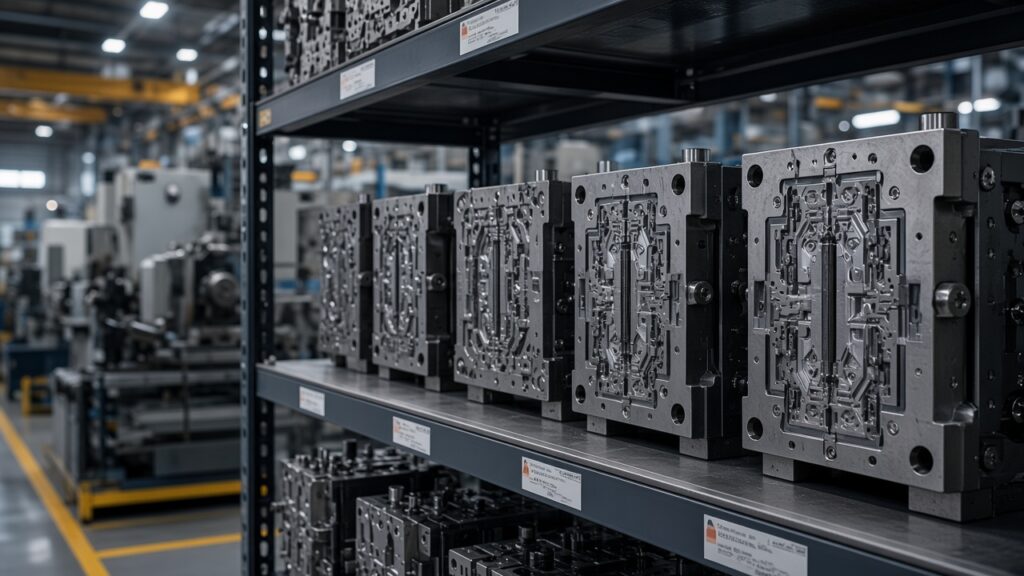
- Tooling: If the product requires custom plastic parts, the factory needs to make a mould. Moulds cost $500–$5,000 for simple parts and $5,000–$50,000+ for complex multi-cavity moulds. This cost is usually paid once upfront.
- Artwork and printing plates: Custom packaging, labels, and printed materials require setup fees, typically $100–$500 per design element.
- Sampling: The factory produces prototypes for approval before production. Expect two to four rounds of samples before approval.
- Engineering or development fee: Some factories charge a development fee for the engineering work involved in adapting their production process to your specification.
These upfront costs mean OEM manufacturing only makes financial sense once you have validated that there is real demand for the product. Many buyers start with an ODM product to test the market, then invest in OEM development once sales volumes justify it.
Can a Factory Do Both OEM and ODM?
Yes, and many do. A factory may offer its own range of designed products (ODM) while also accepting custom manufacturing orders to buyer specifications (OEM). When you contact a factory about a new product, it is worth asking whether they have an existing design you can adapt (which reduces development time and cost) and what customisation options are available on that design.
How Do You Protect Your Design When Working With a Chinese Factory?
When working on an OEM product, the design is typically the buyer’s most valuable asset. Steps to protect it:
- Register your design in China: Chinese utility model patents and design patents are relatively inexpensive and can be registered quickly. Registration before you share the design with factories gives you legal standing in China if the factory copies the design.
- Non-disclosure agreements (NDA): Have the factory sign an NDA before sharing detailed specifications. Chinese law recognises NDAs, though enforcement varies.
- Split production: For products with multiple components, some buyers source different components from different factories so that no single factory has the complete picture.
- Mould ownership clause: If you are paying for tooling, include a clause in your purchase order confirming that the moulds are your property and cannot be used to manufacture for other buyers.
If you are working with a Chinese factory on a new product and need help reviewing the Chinese text in a supplier contract, non-disclosure agreement, or purchase order, MandarinDesk’s Quick Quote Scan service can review short documents and flag terms that differ from what you agreed or that are unusual in Chinese trade.
Related reading
Need a hand?
Tell us what you need done in China. We reply within 24 hours with a fixed price and timeline.
Get a free quote →