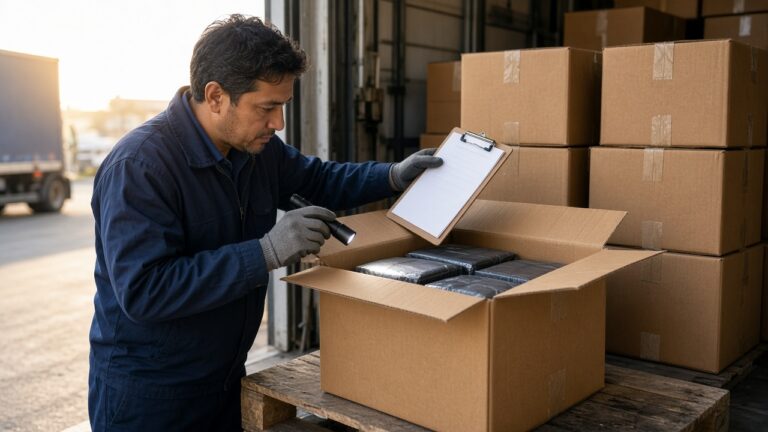
How to Audit a Chinese Factory
A factory audit is a systematic evaluation of a Chinese manufacturer’s capabilities, processes, compliance, and suitability as a production partner. It is the standard method buyers use to verify what a factory has told them about itself — and to discover what it has not told them. Factory audits matter because a factory’s physical reality often differs significantly from its Alibaba profile, its website, or its sales representative’s claims. The audit is the instrument that closes the gap between the factory’s self-presentation and what a buyer actually needs to know before committing to production. This guide explains the main types of factory audit, what they cover, and how to conduct one effectively for Chinese manufacturers.
Key points at a glance
• A factory audit and a supplier audit are related but different: a supplier audit evaluates the business relationship potential (capacity, capability, financial stability, compliance); a factory audit specifically evaluates the physical manufacturing facility and production processes
• Three main audit types: quality management system audit (can the factory produce to your spec consistently?), social compliance audit (is the factory meeting labour and environmental standards?), and manufacturing capability audit (does the factory have the right equipment, skills, and capacity for your product?)
• Announced vs unannounced: an announced audit gives the factory time to prepare, which may reveal what they want to show you. An unannounced audit shows you normal operating conditions but requires specialist access. For first-time supplier evaluation, announced is standard; for compliance monitoring of existing suppliers, unannounced is more revealing
• Third-party auditing companies (Bureau Veritas, SGS, Intertek, QIMA, V-Trust) can conduct standardised audits in China at a known cost and with a consistent methodology. If you are visiting China yourself, a site visit is not a formal audit — it is a familiarisation visit
Types of factory audit
Factory audit checklist: key areas
Ask to see production records for a recent order, not just the factory’s show floor
A factory visit reveals what the factory wants you to see. The most revealing requests an auditor can make are for production records from recent completed orders: batch inspection records, non-conformance reports, corrective action logs, and shipment documentation. A factory with functioning quality management processes will have these records organised and accessible. A factory that struggles to produce them, or produces records that appear recently created, is a warning sign regardless of how good the facility looks. Similarly, ask to speak briefly with line workers (through an interpreter if needed) rather than only with management — the floor team’s account of their daily process and their workload tells you more about how the factory actually runs than the management presentation. A factory that discourages or prevents worker conversations during an audit is flagging something worth investigating further.
Factory substitution is a real risk: verify the production address, not just the company address
A factory you audit may not be the factory that actually makes your product. Factory substitution — where the company you contracted with passes your order to a subcontractor without informing you — is common in China, particularly for factories that have grown faster than their own production capacity, or that accepted your order knowing it exceeded their capability. The subcontractor may have significantly lower standards than the company you audited. Mitigation: include a clause in your purchase order prohibiting subcontracting without written approval; audit the production facility directly (verify the address on the business licence against where you are physically standing); for high-value orders, mandate pre-shipment inspection at the actual production address; and require the factory to tell you in advance if any part of the production will be subcontracted. A factory that refuses to disclose its subcontractors is itself a risk signal.
Frequently asked questions
MandarinDesk coordinates factory audits and supplier qualification for buyers sourcing from China. Contact us.
Related reading
Need a hand?
Tell us what you need done in China. We reply within 24 hours with a fixed price and timeline.
Get a free quote →